The Invisible Concierge: Why the Best Hospitality Tech is the Kind You Don’t See
- Deanna Weiss
- 4 days ago
- 2 min read

Hospitality is about making guests feel welcome, comfortable, and cared for. Technology plays a big role in this, but the best tech often goes unnoticed. When guests don’t have to think about the tools behind their experience, it means the technology is working well. This post explores how realistic technology in hospitality creates seamless service without drawing attention to itself.

How Technology Blends Into Hospitality
Guests expect smooth, hassle-free stays. Technology helps behind the scenes by automating routine tasks and improving communication. The key is to keep these systems invisible so guests focus on their experience, not the tools.
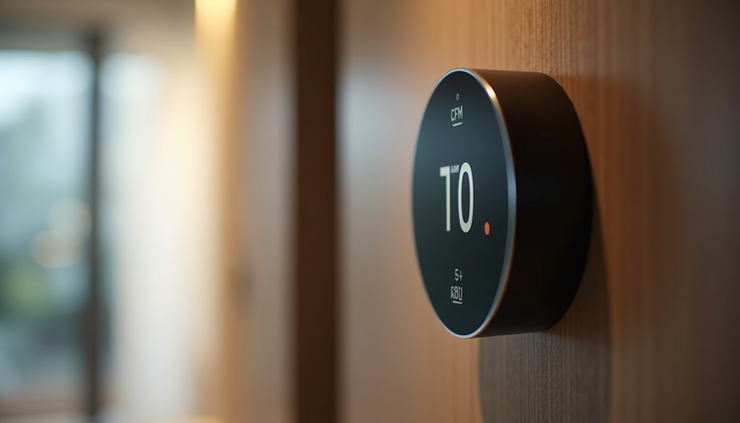
For example, many hotels use smart room controls that adjust lighting, temperature, and curtains automatically based on guest preferences. These systems work quietly, enhancing comfort without requiring guests to fiddle with complicated controls.
Another example is mobile apps that allow guests to check in, unlock their rooms, and request services from their phones. When designed well, these apps feel like natural extensions of the stay rather than separate tech products.
Practical Benefits of Invisible Tech
Invisible technology improves hospitality in several ways:
Faster service: Automated check-ins and digital keys reduce wait times at the front desk.
Personalized experiences: Data from guest preferences helps tailor room settings and recommendations.
Reduced staff workload: Staff can focus on personal interactions instead of routine tasks.
Consistency: Automated systems ensure consistent quality across different locations.
Hotels that use technology discreetly often see higher guest satisfaction scores because the experience feels effortless and natural.
Realistic Technology That Guests Appreciate
Not all technology impresses guests. Overly complex or flashy gadgets can distract or frustrate. Realistic technology focuses on usefulness and simplicity.
Voice assistants in hotel rooms are a good example. When they respond quickly to requests like “turn off the lights” or “order room service,” they add convenience. But if they misunderstand commands or require complicated setup, guests get annoyed.
Hotels also use back-end systems that track maintenance issues or housekeeping schedules. These tools don’t interact with guests directly but ensure rooms are ready and in good condition. This invisible tech supports a smooth stay without drawing attention.
The Future of Hospitality Tech
As technology advances, the goal remains the same: improve guest experience without being intrusive. Artificial intelligence will help predict guest needs before they ask. Sensors will monitor room conditions and adjust automatically. Mobile apps will integrate more services in one place.
The best hospitality technology will continue to be the kind guests don’t notice. It will work quietly, letting human staff focus on genuine hospitality.


Comments